

Alright, so you’ve got a bunch of leads – great! But how do you know which ones are worth pursuing? It’s kind of like dating – not every match is going to be “the one.” Some leads might look promising but turn out to be more ghost than gold. And no one has time to chase dead ends, right?
That’s where lead qualification comes in. It’s all about figuring out which prospects are worth the effort and which ones might be better left to someone else (or to never be pursued at all). Let’s break down some tried-and-true techniques that’ll help you sift through the sea of leads and focus on the ones that truly matter.
Why Lead Qualification is So Important
Before diving into techniques, let’s cover why lead qualification is vital to any business – especially if you’re leveraging Outsourced SDR services. Imagine your Sales Development Representative (SDR) team chasing every lead that comes their way. Sounds exhausting, doesn’t it? Without proper qualification, you’ll burn through your resources without a solid return on investment.
By effectively qualifying leads, your SDRs can focus on the prospects that are more likely to convert into paying customers. And when you streamline the sales process like that, you’re saving time, money, and, let’s be real – a lot of headaches.
Techniques for Lead Qualification
1. BANT (Budget, Authority, Need, Timeline)
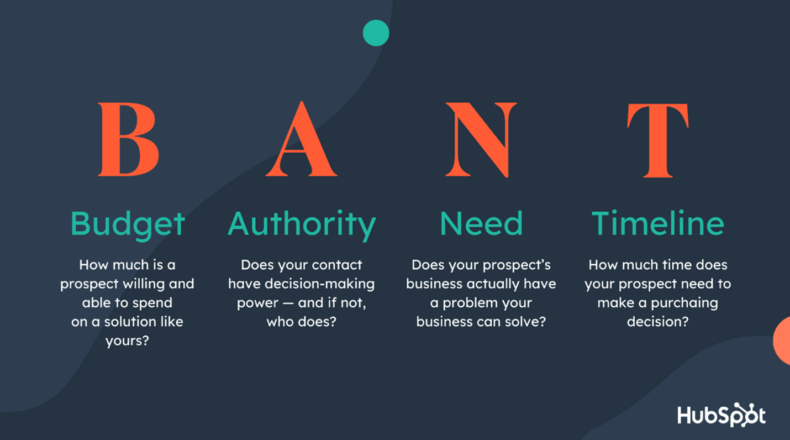
Let’s start with the classic. BANT is a staple in the world of lead qualification. Think of it as a checklist that helps you figure out whether or not a prospect is worth the chase.
- Budget: Can they afford your product or service?
- Authority: Is this person the decision-maker or just a gatekeeper?
- Need: Do they actually need what you’re offering, or are they just window shopping?
- Timeline: Are they ready to make a move, or are we talking “maybe next year”?
BANT is simple, but it gets the job done. It helps your SDRs quickly weed out leads that might not be the best use of their time.
2. CHAMP (Challenges, Authority, Money, Prioritization)

Not feeling the BANT vibe? Enter CHAMP. Similar to BANT, but with a bit of a twist. Instead of focusing on the budget, CHAMP emphasizes the challenges your lead is facing. Because let’s be real, if your product or service isn’t solving a real pain point, the money question doesn’t even matter.
- Challenges: What problem is the prospect trying to solve?
- Authority: Again, is this the person who can say “yes” to a deal?
- Money: Do they have the resources to invest?
- Prioritization: Where does your solution fit into their current priorities?
CHAMP can sometimes be a better fit for more consultative sales processes, where identifying challenges is key to building a strong case for your solution.
3. MEDDIC (Metrics, Economic Buyer, Decision Criteria, Decision Process, Identify Pain, Champion)
Now we’re getting into the nitty-gritty. If you’re working with enterprise leads, MEDDIC is your go-to framework. It dives deeper into the decision-making process and is perfect for longer, more complex sales cycles.
- Metrics: What’s the measurable impact of your solution?
- Economic Buyer: Who controls the purse strings?
- Decision Criteria: What criteria will they use to make the final call?
- Decision Process: What steps are involved in making a purchase decision?
- Identify Pain: What’s their biggest pain point?
- Champion: Who within the organization is advocating for your solution?
MEDDIC is for the detail-oriented pros. It’s a little more intense but super effective in making sure you’re chasing the right leads.
The Role of SDRs in Lead Qualification

Your Sales Development Representative is the gatekeeper in this whole process. Think of them like a nightclub bouncer. They decide who gets in and who has to wait outside. And when you’re working with outsourced SDR services, you’ve got experts who know how to assess leads quickly and effectively.
SDRs aren’t just about making cold calls and setting meetings. They play a critical role in qualifying leads using these frameworks to ensure that your sales team is only talking to prospects who are ready to buy.
Quick Tip: No matter what framework you choose, don’t be afraid to adapt it. Lead qualification isn’t one-size-fits-all, and sometimes you have to bend the rules to fit your specific situation.
Using AI and Automation to Enhance Lead Qualification

Want to make things even smoother? Say hello to AI CRM solutions. AI can automate a lot of the heavy lifting when it comes to lead qualification. Think of it as your trusty sidekick, sifting through data and identifying leads that match your ideal customer profile.
Tools like CRM automation software can analyze behavior patterns, engagement levels, and even social signals to predict which leads are most likely to convert. And when your SDRs have this kind of intelligence at their fingertips, it takes their game to a whole new level.
The Importance of Qualified Lead Generation
Let’s be clear: qualified lead generation is about more than just generating leads. It’s about getting the right ones. And when you’re working with Team 360 Staffing, you’re not just getting volume – you’re getting leads that have been carefully qualified and vetted.
Qualified leads are the foundation of a strong sales pipeline. Without them, even the best sales strategies can crumble. That’s why using an effective qualification process and outsourcing to experts can make all the difference in accelerating your sales process.
Wrapping Up
Lead qualification might not be glamorous, but it’s crucial. And when done right, it saves time, resources, and helps your team focus on what really matters – closing deals.
So, whether you’re using BANT, CHAMP, or even AI CRM solutions for an extra edge, remember: not all leads are created equal. By filtering out the noise and focusing on the best opportunities, your team can work smarter, not harder.
And if you’re looking for outsourced SDR services or help with qualified lead generation, look no further than TEAM 360 – your partner in streamlining the sales process and growing your business.